Screen printing continues to evolve, but the foundation of the process remains the same. Ink is pushed through a mesh screen to transfer a design onto a substrate. What changes between methods is how the screen is created and how much of that preparation is handled manually versus digitally.
Today, print shops typically work within three approaches: traditional screen printing, computer-to-screen (CTS), and direct-to-mesh (D2M). Each produces the same end result, but the path to getting there differs in speed, precision, and overall efficiency.
Understanding how direct-to-mesh, computer-to-screen, and traditional screen printing compare helps clarify where modern automation fits into today’s production environments.
The Foundation of Traditional Screen Printing
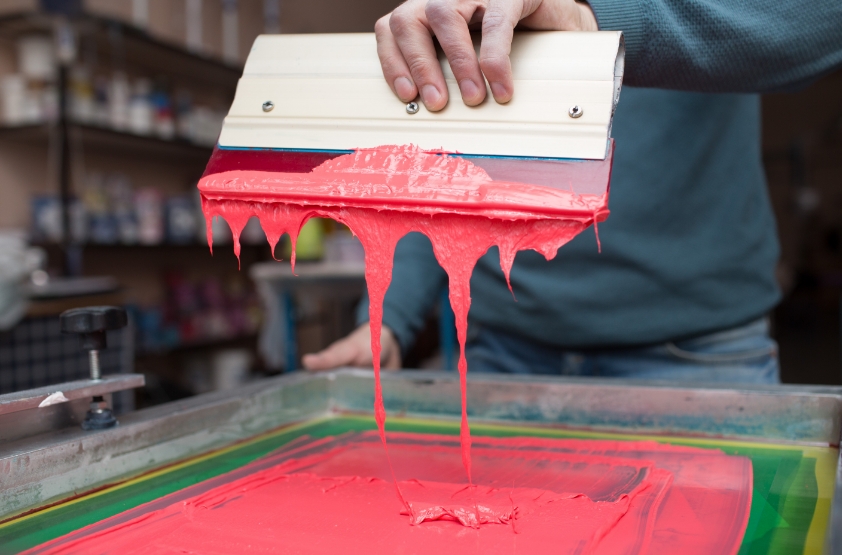
Traditional screen printing follows a multi-step prepress workflow that relies on physical film and manual alignment.
A design is first separated into individual colors. Each color requires its own screen. Those separations are printed onto film positives, which serve as a guide during exposure.
Each film is then manually aligned onto a screen coated with light-sensitive emulsion. The screen is exposed to UV light, hardening the emulsion everywhere except where the design blocks the light. Those unexposed areas are washed out, creating open mesh where ink will pass through.
Once dried, each screen is mounted onto the press and registered to match the other colors in the design.
This process is widely used and highly capable, but it depends on multiple physical steps where small inconsistencies can affect final registration and output.
Where Traditional Workflows Create Challenges
The most common challenges in traditional screen printing come from the number of manual transitions between design and screen.
Film alignment is one of the most sensitive points in the process. Even minor shifts can affect registration across multiple colors, especially in detailed or tightly registered artwork.
Because each color requires a separate screen, small errors can compound across the full job. This can lead to additional setup time, screen remakes, or wasted materials when adjustments are needed.
These challenges are not related to printing itself, but to how much handling occurs before ink ever reaches the press.
Computer-to-Screen (CTS) Technology in Modern Production
Computer-to-screen systems streamline the prepress workflow by removing the need for film positives.
Instead of printing artwork onto film, CTS technology transfers the digital file directly onto a screen coated with emulsion. The exposure is controlled digitally, creating a precise stencil that matches the original artwork.
This reduces the number of manual steps required to prepare a screen and improves consistency across production runs. With fewer physical touchpoints, there is less opportunity for misalignment or variation between screens.
One of the biggest advantages of CTS technology is the improvement in registration accuracy during press setup. Because each screen is imaged with exact digital positioning, screens align far more consistently on press. This dramatically reduces setup time for operators, especially on multi-color jobs where registration adjustments can otherwise consume valuable production hours.
Systems like EXILE’s SPYDER series, including SPYDER II, demonstrate how CTS technology can deliver high-resolution detail, repeatable accuracy, and faster production setup in demanding print environments.
CTS also reduces material usage by eliminating film output, which contributes to lower waste and a more efficient prepress workflow.
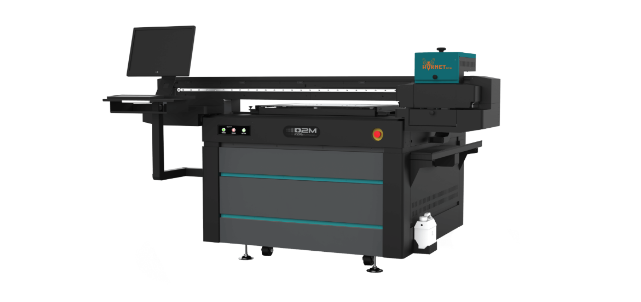
Direct-to-mesh (D2M) Screen Printing Technology
Direct-to-mesh systems take automation a step further by removing additional preparation layers in the screen-making process.
Instead of imaging onto an emulsion-coated screen, D2M technology applies the image directly to the mesh. This creates a more streamlined path from digital artwork to finished stencil.
By reducing the number of intermediate steps, direct-to-mesh workflows minimize handling and simplify production. This leads to faster turnaround times and more consistent screen output, particularly in environments where repeatability and efficiency are priorities.
D2M technology also improves registration precision during setup at press. Since the imaging process is digitally controlled from start to finish, screens maintain highly accurate positioning between colors. Operators spend less time aligning artwork on press, which shortens setup windows and allows production to begin faster.
The reduction in consumables and processing steps also contributes to a more efficient use of materials in the screen room.
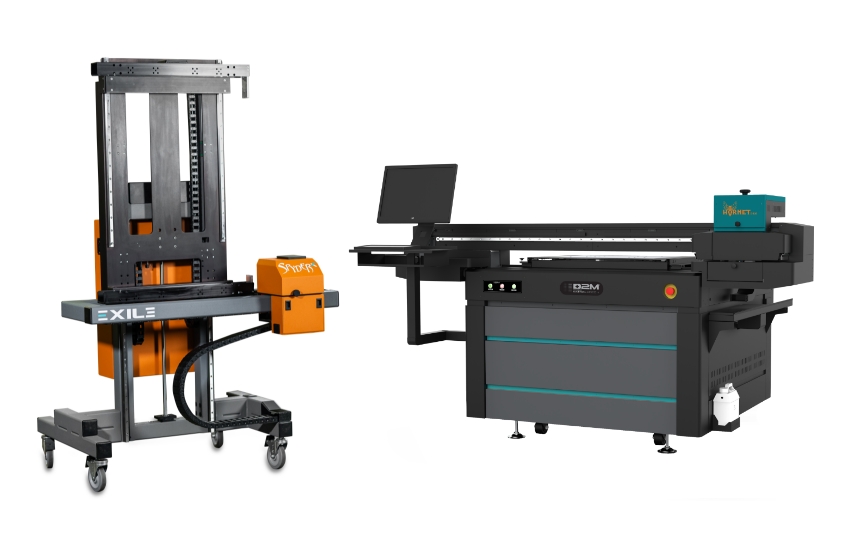
Comparing Traditional, CTS, and D2M Screen Printing Methods
When comparing direct-to-mesh, computer-to-screen, and traditional screen printing, the biggest differences are found in the prepress stage.
Traditional workflows rely on film-based separation and manual alignment. CTS removes the film stage and introduces digital imaging onto emulsion-coated screens. D2M further simplifies the process by imaging directly onto the mesh itself.
All three methods still require one screen per color, and all depend on accurate registration during printing. The key difference is how much control and consistency are introduced before the press stage begins.
Rather than changing the printing method itself, these approaches refine how screens are created and how efficiently they move into production.
Shared Benefits of Modern Screen Production Methods
Both CTS and D2M technologies introduce measurable improvements to screen production workflows.
Registration accuracy improves because digital imaging reduces reliance on manual film placement. This precision carries directly into press setup, where screens align more consistently and require fewer manual adjustments before printing begins. For many shops, reduced setup time is one of the most valuable operational advantages these technologies provide.
High-detail artwork is more consistently reproduced due to tighter control over exposure and image transfer.
Environmental impact is also reduced in both systems. Eliminating or reducing film usage decreases material waste and supports a more efficient production cycle overall.
These improvements strengthen consistency without changing the core mechanics of screen printing.
The Role of Automation in Today’s Screen Rooms
Automation has become most impactful in prepress, where CTS and D2M technologies reduce complexity and improve repeatability.
By minimizing manual steps, these systems help shops shorten production timelines and maintain more predictable output. This is especially valuable for operations handling high-volume work or detailed multi-color designs.
As automation continues to evolve, it is reshaping expectations for speed, consistency, and efficiency in screen production environments.
Final Thoughts: How Traditional, CTS, and D2M Screen Printing Methods Compare
Traditional screen printing, computer-to-screen systems, and direct-to-mesh technology all serve the same purpose: creating screens for ink transfer. The difference lies in how efficiently and consistently those screens are produced.
Traditional methods rely heavily on film and manual alignment. CTS introduces digital precision into screen creation by removing film from the workflow. D2M simplifies the process even further by imaging directly onto mesh and reducing additional preparation steps.
For modern print shops, understanding how these methods compare helps define where efficiency gains can be made and how prepress technology can support long-term production goals. Improved registration accuracy, reduced press setup times, and more consistent screen production all contribute to smoother operation on press and greater overall productivity.
EXILE Technologies continues to support screen printers with technology designed to modernize prepress workflows, improve production efficiency, and help shops maintain consistent results at scale.