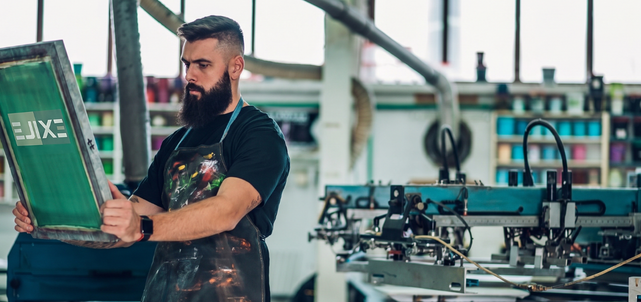
Screen printing has relied on the same basic principle for generations: create a stencil on a mesh screen, then push ink through the open areas to reproduce an image. The technology used to create that stencil, however, has changed significantly.
Traditional screen preparation can involve film positives, manual alignment, and multiple handling steps. Modern digital technologies have streamlined this part of the process, giving screen printers more control over image quality, registration, and production time.
Laser-to-screen (LTS) technology is one of the latest approaches to digital screen imaging. It uses a laser-based system to create the image on a screen, eliminating the need for film while providing precise, automated imaging. EXILE Technologies has brought this technology to its product lineup with the SPYDER LTS, giving screen printers another option for modernizing their prepress workflows.
How Does Laser-to-Screen Work?
Laser-to-screen technology uses a digitally controlled laser to expose the image onto a screen. The artwork is transferred directly from a digital file, allowing the imaging system to precisely control where the screen is exposed.
The laser selectively exposes the screen according to the digital artwork, creating the stencil that will eventually allow ink to pass through the mesh. Once the exposure process is complete, the screen can proceed through development and preparation for printing.
The exact technology behind LTS systems can vary, but the core concept remains consistent: replace film-based image transfer with a digitally controlled laser exposure process.
This creates a film-free workflow with fewer opportunities for variation between the digital artwork and the finished screen.
What Does Laser-to-Screen Improve?
One of the primary advantages of LTS is precision. Digital laser imaging gives the system precise control over image placement and exposure, helping reproduce fine details and maintain consistency from screen to screen.
That precision can have an impact beyond the screen room. Accurate screen imaging helps colors register more consistently when multiple screens are brought together on press. Better registration can reduce the time operators spend making adjustments during press setup, allowing production to begin sooner.
LTS technology can also reduce the manual handling associated with traditional film-based workflows. Fewer manual steps mean fewer opportunities for misalignment, damaged film, or inconsistencies during screen preparation.
For shops handling detailed artwork or high volumes of screen production, these improvements can translate into a more predictable workflow.
How Does LTS Differ From Computer-to-Screen?
Laser-to-screen and computer-to-screen (CTS) technology both use digital artwork to improve the screen-making process, but they use different imaging technologies.
CTS systems digitally apply the image directly to an emulsion-coated screen. EXILE’s SPYDER X, for example, uses phase-change inkjet technology to place a high-density image directly onto coated screens. This eliminates film and manual film registration while providing precise image placement.
The SPYDER LTS approaches digital screen imaging through laser exposure. Its imaging system uses UV laser technology and a digital micromirror device (DMD) to create high-resolution images on the screen. The SPYDER LTS also features automatic focus to maintain consistent imaging across the screen.
Both technologies provide a digital alternative to film-based screen preparation. The difference lies in how the digital image is transferred and exposed.
How Does LTS Differ From Direct-to-Mesh?
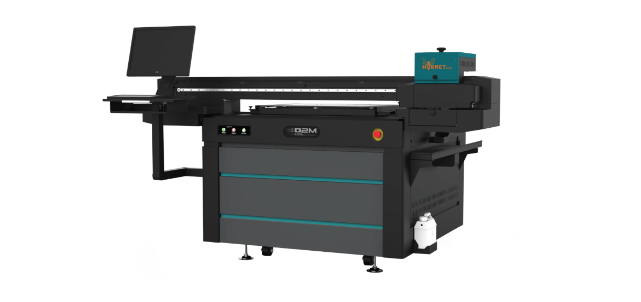
Direct-to-mesh (D2M) technology takes another approach to simplifying screen production.
Rather than working with a traditionally prepared, emulsion-coated screen, D2M systems image directly onto the mesh. This removes additional screen preparation steps, including emulsion coating and darkroom requirements.
EXILE’s HORNET D2M is designed around this streamlined approach, allowing screens to be made directly at the press with significantly fewer preparation steps.
Laser-to-screen technology still works within a screen exposure workflow. The laser creates the image through controlled exposure, while direct-to-mesh technology eliminates more of the preparation that comes before imaging.
This makes the two technologies distinct options for shops evaluating how they want to modernize their screen rooms.
The Benefits of a Film-Free Workflow
Removing film from screen preparation can provide several advantages regardless of which digital imaging technology is selected.
Film-based workflows require an additional physical representation of the artwork. That film must be produced, handled, aligned, stored, and eventually replaced when changes are made. Digital imaging removes many of these steps.
A film-free process can reduce material costs and waste while making artwork easier to manage digitally. It also improves file security by keeping artwork within a digital workflow rather than requiring physical film to be produced and stored. EXILE identifies these benefits as key advantages of the SPYDER LTS system.
Digital imaging also makes repeatability easier to achieve. The same digital artwork can be used to reproduce screens without relying on the physical condition or positioning of a film positive.
Why Consider Laser-to-Screen Technology?
The right screen-making technology depends on a shop’s production requirements, existing workflow, and goals for automation.
Laser-to-screen technology provides a film-free digital imaging option for shops looking for precise screen exposure and automated production. The SPYDER LTS combines laser imaging with automatic focus and high-resolution digital control to produce detailed, consistent screens.
For businesses evaluating their options, understanding the differences between LTS, CTS, and D2M makes it easier to identify which technology fits their operation.
Explore Digital Screen-Making Technology With EXILE
Screen printing continues to evolve as digital imaging technology creates new opportunities for faster, more accurate prepress production. Laser-to-screen is an important part of that evolution, offering a film-free approach centered on precise laser exposure.
EXILE Technologies offers solutions across multiple approaches to digital screen making, including computer-to-screen systems, direct-to-mesh technology, and now the SPYDER LTS laser-to-screen system. Each technology addresses screen production from a different angle, giving print shops options for building a workflow that fits their specific needs.
With the addition of SPYDER LTS, EXILE continues expanding its prepress technology lineup and giving screen printers more ways to improve accuracy, efficiency, and consistency before the first print ever reaches the press.